How to Get Rid of Fleas in North York Homes
If you want pest control North York advice for fleas, the key is to respond promptly and treat both the home and any pets at the same time. Fleas are minute, persistent pests that can spread through condos, townhomes, basement apartments, and multi-unit buildings in North York with surprising speed. Because North York is part of the City of Toronto, local homeowners and renters often deal with pet-related infestations in dense urban housing, where a flea problem can pass from hidden breeding sites in one unit to another.
Effective flea control is not just about one spray or one vacuum pass. It demands inspection, sanitation, environmental control, and a follow-up plan that breaks the flea life cycle. In homes across North York, especially during humid summer weather, fleas can reproduce quickly indoors and create a recurring problem if eggs, larvae, and pupae are not resolved.
What are the signs of a flea infestation?
The earliest clue is often flea bites on humans. These marks may present as little, pruritic red bumps, often along the ankles, lower legs, or places where clothing fits snugly. Some people notice bites after sitting on a couch, lying on a bed, or spending time in a room where fleas are active. Since fleas are excellent jumpers, a small issue can quickly turn into a more serious flea infestation.
You may also observe pets scratching more than usual. Dogs and cats often react to flea activity before humans do, especially if the fleas are feeding in sheltered areas like the neck, belly, or tail base. If your pet seems restless, bites at its fur, or loses hair in patches, fleas should be thought of right away.
Another visible clue is flea dirt, which looks like small black specks on bedding, pet blankets, carpets, or upholstery. Flea dirt is actually flea feces, and it often appears where adult fleas have been feeding. If you place the specks on a damp paper towel and they turn reddish-brown, that is a clear sign of blood residue from fleas.
Other signs can include spotting adult fleas moving swiftly through carpet fibers, along baseboards, or near pet resting areas. Because fleas stay hidden well, a thorough inspection of carpets, upholstery, and bedding is often needed to confirm the extent of the problem. In many cases, the real issue is larger than what is visible on the surface.
Why fleas are common in North York homes
Various local influences make fleas especially common in North York. The Toronto climate brings warm, humid summers that help fleas remain active and multiply faster indoors. Even when temperatures outside change, indoor heating and pet activity can keep the flea life cycle going year-round inside a home.
North York’s mix of condos, townhomes, and basement apartments also makes flea control more challenging than in detached homes. In multi-unit housing, fleas can spread through shared hallways, laundry rooms, or gaps around plumbing and utility lines. If one apartment has an apartment infestation, neighbouring units may also face a reinfestation risk unless treatment is coordinated.
Pets and wildlife are another major factor. Cats, dogs, raccoons, squirrels, and other animals can all carry fleas into or near a property. In urban neighbourhoods across North York, pets may pick up fleas in yards, parks, or common outdoor areas, then bring them indoors. Once inside, fleas can settle into carpet, furniture, and cracks in flooring.
The challenge is that fleas are not just a pet problem. They are a residential pest control issue that can affect landlords, tenants, and homeowners alike. In multi-unit buildings, one untreated source can lead to ongoing spread. That is why targeted treatment and preventive measures matter so much in this part of Toronto and Ontario.
How can you remove fleas in your home?
Removing fleas takes a mix of vacuuming, cleaning fabrics, pet care, and sometimes chemical or professional service. A single method rarely works alone because fleas exist in multiple stages at once: flea eggs, flea larvae, flea pupae, and adult fleas. The flea life cycle is what makes infestations difficult to stop without a complete plan.
Start by doing a deep clean of the home. Vacuum all flooring, edges, furniture, and pet areas carefully. Focus on areas where fleas hide: under beds, around couch cushions, along baseboards, and in any carpeted rooms. Vacuuming helps remove adult fleas, eggs, and larvae, while also disturbing hidden breeding sites. After vacuuming, seal and dispose of the contents at once to reduce the chance of reinfestation through the vacuum bag disposal process.
Wash all bedding, pet blankets, and washable fabric items in hot water and dry them on a high-heat cycle if safe for the material. Laundry is one of the most effective parts of home treatment because it removes eggs and larvae from soft surfaces. Also remember mattresses, throw blankets, and any clothing that may have been in contact with infested areas.
An insect growth regulator can also help stop fleas from maturing into biting adults. These products do not kill every flea immediately, but they halt maturation and reduce the chance that new fleas will emerge after cleaning. In many cases, an integrated approach that combines sanitation and targeted treatment is the most effective way to achieve effective eradication.
Treat pets at the same time
Pet treatment should happen at the same time as the home treatment. If fleas remain on your pet, they will continue to spread through the house even after cleaning. Speak with a veterinarian about the most suitable options for your dog or cat. A veterinarian can recommend veterinarian-approved products that match your pet’s age, weight, and health condition.
Look for a treatment for fleas that also supports prevention for ticks and fleas, especially if your pet roams outdoors in North York parks or shared green spaces. This helps reduce future exposure and supports pet safety. Never use random over-the-counter products without checking compatibility first, because some formulas are not safe for all animals.
If only one pet in the home is treated, fleas may continue spreading between pets, furniture, and sleeping areas. Treating all animals in the household at once is a critical part of the follow-through and helps stop recurring problems.
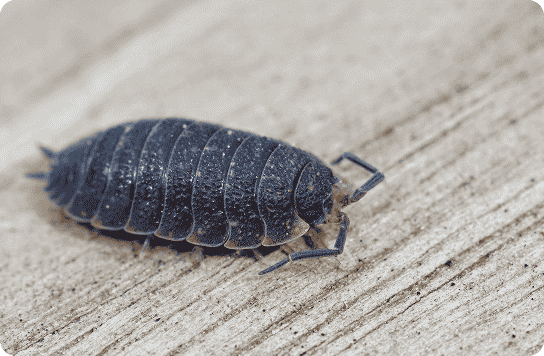
Clean floors, furniture, and pet areas thoroughly
Deep cleaning should include every surface where fleas may hide. Vacuum carpets methodically and repeatedly, especially in rooms where pets sleep. Fleas can also live in upholstery, such as sofas, armchairs, and pet beds, so use attachments to clean seams and cushions thoroughly. Do not forget baseboards, since fleas often travel close to walls and remain out of sight.
Carpet cleaning can be effective if the infestation is moderate, but cleaning alone is not always enough. Combine it with sanitation, laundry, and ongoing inspection. Pay attention to cracks in flooring, spaces beneath furniture, and areas near heating vents, since these can support hidden breeding sites and make environmental control harder.
In North York homes with basement apartments or older finishes, fleas may settle into small gaps around trim, under furniture, or near pet feeding areas. A careful, room-by-room approach gives better results than cleaning only the obvious spots.
When to use flea sprays or professional treatment
For some homes, a residual spray or other flea spray may be part of the plan. A residual insecticide can continue working after it is applied, which is useful when newly emerged fleas appear after the initial cleaning. However, these products should be used according to label instructions and with attention to pet safety, especially in homes with children or animals.
If the infestation is spreading quickly, if fleas keep returning after cleaning, or if you live in a multi-unit building, professional pest control may be the most effective option. A professional exterminator can assess the property, identify problem areas, and apply targeted treatment based on the layout of the home. This is especially helpful in North York apartments, basement units, and dense housing where reinfestation is more likely.
Professional care often includes a follow-up treatment or follow-up plan because flea control usually takes more than one visit. That extra step is essential for disrupting the life cycle and reaching fleas that were hidden as pupae during the first treatment.
What is the timeline to to remove fleas?
The time needed depends on how widespread the infestation is and how thoroughly the home is treated. Because the flea life cycle contains eggs, larvae, pupae, and adult fleas, you may see activity continue for a while even after the first round of home treatment. Eggs can hatch later, larvae can develop in hidden spots, and pupae can wait until they sense movement or warmth nearby.
Practically speaking, that means removing fleas is usually not instant. Even with careful vacuuming, laundry, and a well-timed insect growth regulator, you may need repeated cleaning and monitoring. Homes with pets, carpeting, or heavy fabric use often take longer. If your home has multiple rooms, shared walls, or carpeted stairs, the process can take more time still.
In North York, humid summer weather can also slow progress because fleas may remain active indoors longer and reproduce more quickly in warm environments. That is why, consistent sanitation and follow-up matter. The goal is not just to kill visible adult fleas, but to stop the next wave of eggs and larvae from developing.
For severe infestations, a treatment timeline may extend over several weeks. Effective eradication depends on patience, repeated inspection, and making sure every stage of the infestation is addressed.
How to prevent fleas from returning
Prevention is simpler than handling another infestation later. Good pet grooming is one of the most effective preventive steps. Regular brushing, checking fur for fleas, and bathing pets when appropriate can help catch problems early. Grooming also gives you a chance to spot flea dirt before an issue becomes larger.
Yard maintenance matters as well, especially for homes with outdoor access. Keep grass trimmed, remove debris, and reduce areas where wildlife may shelter. Since fleas can be carried in by animals, a well-kept yard can help lower exposure around yard and entry points. If pets go outside, check them before they come back indoors.
Entry-point sealing is another smart measure, especially in older North York homes, condos, and basement apartments. Seal gaps around pipes, utility openings, baseboards, and doors where pests may move in. While sealing will not solve an active infestation by itself, it supports long-term pest control by reducing access points and improving overall control.
Ongoing vacuuming, frequent laundry, and keeping pet areas clean are all part of a solid prevention plan. If your home is in a multi-unit building, talk with building management when needed, since shared-space issues can lead to reinfestation if other units are untreated.
When should you reach out to pest control in North York?
You should call for help when the problem keeps coming back, when bites keep happening after cleaning, or when you suspect a severe infestation. Fleas that appear in several rooms, on multiple pets, or in both carpet and furniture can be challenging to eliminate without professional treatment. If you are seeing adult fleas frequently, or if vacuuming and laundering are not enough, it is time to bring in a licensed exterminator.
This is especially critical in apartment buildings and multi-unit buildings, where one unit can affect another. In these situations, an apartment infestation may require coordinated treatment to prevent fleas from moving between neighbouring homes. A licensed exterminator can inspect the unit, assess the surrounding risk, and recommend targeted treatment that fits the structure of the building.
Local homeowners and renters in North York often need help when pets, shared walls, and dense housing combine to create a stubborn flea problem. A professional can identify hidden breeding sites, recommend the right residual spray or insect growth regulator, and create a follow-up plan for persistent pests. If you want faster, more reliable results, professional pest control North York services can provide the inspection and residential pest control strategy needed for long-term relief.
When fleas keep returning, the issue is usually larger than the visible bites or the handful of insects you can see. The best results come from treating the home, the pets, and the surrounding environment together.
Frequently asked questions about flea removal in North York homes
How can I tell if my North York home has fleas?
Watch for flea bites on people, pets scratching more than usual, and flea dirt on bedding, carpets, or upholstery. You may also notice adult fleas jumping in pet areas or along baseboards. A careful inspection is the best way to spot a flea infestation.
Is it possible to remove fleas without calling a pest control company?
Certainly, some homeowners can handle a mild problem with home treatment, including vacuuming, laundry, bedding washing, pet treatment, and an insect growth regulator. However, if fleas keep coming back or spread through multiple rooms, professional help may be needed for thorough removal.
How long can fleas remain in carpets and furniture?
Fleas can persist in carpets and furniture through several stages of the flea life https://mississauga-ondl405.publishlane.com/posts/spider-removal-in-north-york-community-pest-control-guide cycle, including eggs, larvae, and pupae. Because pupae can remain hidden, activity may continue for weeks unless the area is cleaned thoroughly and treated properly.
Should I treat my pets and home at the same time?
Definitely. Treating pets and the home at the same time is essential because fleas move between animals, bedding, carpets, and furniture. A veterinarian can recommend veterinarian-approved products that support pet safety while you complete the home treatment.
When should I to call pest control North York for fleas?
Call as soon as you suspect a severe infestation, repeated reinfestation, or an apartment infestation in a multi-unit building. If your efforts do not stop the problem, a licensed exterminator can provide targeted treatment, a follow-up plan, and professional service suited to North York homes and local conditions.