What’s Included within a Typical Pest Control Treatment in Windsor?
What a standard pest control treatment usually includes
A standard pest control Windsor visit is designed to pinpoint the source of the problem, treat the active issue, and lower the chance of recurrence. For most residential and commercial properties in Windsor, ON, the service begins with an inspection so the licensed technician can confirm the target pest, locate problem areas, and develop a effective treatment plan that matches the property and the level of infestation.
The typical service scope includes a combination of interior treatment and exterior treatment, depending on where the evidence of activity is found. That may involve bait stations, a perimeter spray, dust applications, or other methods chosen for reliable long-term control. The goal is not just immediate knockdown, but also prevention, monitoring, and property protection.
A effective standard treatment is usually a customized solution rather than a one-size-fits-all approach. It should address the pest species, the property layout, the risk of recurrence, and the specific conditions that are allowing pests to enter or nest.
How Windsor homes and businesses are assessed
In Windsor, ON, an thorough inspection has to consider the city’s mix of property types and environmental conditions. The Windsor climate, with humid periods near the Detroit River and shifting seasonal temperatures, can create significant seasonal pest pressure. Hotter months often bring more ants and wasps, while colder weather pushes rodents indoors in search of food and shelter.
Older homes in diverse residential neighbourhoods often have cracks in foundations, gaps around utility lines, worn weather stripping, and basement entry points that make pest intrusion more probable. In these homes, a technician will usually inspect for problem areas such as utility penetrations, sump areas, basement windows, and any signs of moisture that could support nesting or hidden activity.
Commercial properties in Windsor, including small offices, restaurants, retail spaces, and warehouses, are often assessed differently because food handling, waste storage, and heavy foot traffic can create more opportunities for pest movement. Whether the property is a detached home, a multi-unit rental, or a small commercial space, the technician will identify the same core issues: access, food sources, water, and shelter.
During this stage, the technician also reviews entry points and likely harborage areas. These are the hidden spaces where pests rest, breed, or travel, and they often determine how the treatment protocol should be designed.
What happens during the inspection
A thorough pest inspection is the cornerstone of any reliable service. The technician usually opens with an interior inspection to look for signs of activity such as droppings, grease marks, damage to stored goods, live insects, or evidence of nesting. Kitchens, bathrooms, basements, laundry rooms, utility rooms, and storage spaces are often checked first because they often contain moisture, food crumbs, and hidden voids.
The exterior inspection is also essential. The technician may walk the perimeter to examine the foundation, vents, door frames, eaves, rooflines, soffits, patio edges, and garbage storage areas. In many Windsor properties, the exterior check also includes looking for gaps created by settling foundations or aging sealant, especially in older housing stock where small cracks can become major access routes.
During both parts of the inspection, the technician looks for evidence of activity and pinpoints where pests are most likely entering or sheltering. These harborage sites can include wall voids, behind appliances, crawlspaces, attic areas, and cluttered storage rooms. Identifying these locations early helps the technician target the treatment and improve results.
A careful inspection also helps determine whether the issue is isolated or part of a broader infestation. That distinction matters because standard treatment may work well for a limited, localized problem, but a larger issue may require more visits, more monitoring, or a different strategy altogether.
Typical methods applied in a regular service call
Typically standard visits bring together several approaches rather than counting on just one. The selection depends on the pest, the building type, and how extensive the issue is. For many Windsor customers, the treatment protocol may include baiting, targeted sprays, localized dusts, and a perimeter treatment to lower pest pressure around the structure.
Bait stations are commonly used for certain insects and rodents because they place a controlled attractant where pests are active. This approach is often effective in kitchens, utility rooms, basements, and other protected areas where pests travel. Baiting can help with monitoring while helping decrease the population over time.
Sprays are commonly used as an interior treatment in cracks, crevices, and other targeted zones, or as an exterior treatment around the foundation and access points. In many cases, a technician will apply a perimeter spray to create residual protection along key entry areas. This can help prevent pests from coming back into the building after the initial treatment.
Dusts may be used in dry voids, behind walls, and other concealed spaces where moisture is low and access is difficult. Dust formulations can be useful in harborage areas because they reach places where other methods cannot be applied easily.
The exact products and applications used will depend on the target pest and the structure. A skilled technician will choose methods that fit the site, the pest biology, and the need for an environmentally responsible result.
Which critters are typically part of Windsor maintenance plans
Standard treatment plans in Windsor often address pests that are found in homes and businesses throughout southwestern Ontario. The main issues include ants, cockroaches, spiders, and rodents. These pests are common because they adjust easily to indoor spaces and can take advantage of small openings, moisture, and food sources.
Ant control often involves identifying where the colony is nesting or accessing, then using baiting and targeted treatment to reduce activity. In warmer months, ants can become especially noticeable near kitchens, patios, and foundation edges, particularly in homes with gaps around windows or masonry.
Cockroach control usually requires a detailed plan because roaches can hide in tight spaces and spread quickly once they establish themselves. A standard visit may include baiting, crack-and-crevice applications, and sanitation recommendations to remove food and moisture sources.
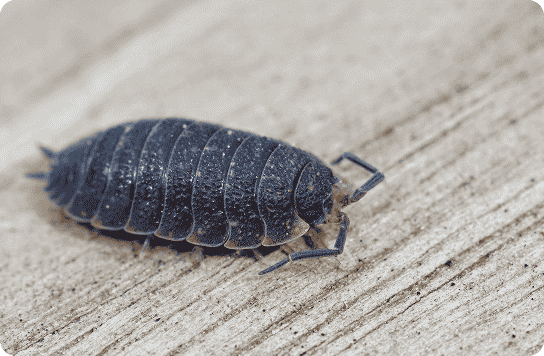
Spider control is often focused on reducing the insects spiders feed on, sealing access points, and treating common harbourage zones like corners, basements, sheds, and storage areas. While spiders are often a secondary pest, their presence can signal broader insect activity.
Rodent control typically includes inspection, bait stations, trapping where appropriate, and recommendations for entry-point sealing. In fall and winter, rodent pressure often increases as temperatures drop and mice or rats move indoors for shelter. In detached homes, multi-unit rentals, and some commercial buildings, rodent control may be one of the most important parts of the treatment.
What is typically not covered in a standard visit
It is just as important to recognize what a standard visit does not usually cover. Services such as wildlife removal are generally separate because raccoons, squirrels, birds, and skunks require other equipment, approaches, and regulatory considerations than routine pest work.
Bed bugs are also frequently left out from a standard general pest service because they need a targeted plan, often with more extensive evaluation, setup, and follow-up. Bed bug work tends to be more intensive than typical ant or rodent service.
In the same way, major infestations may fall outside a standard visit. If the pest population is extensive, widespread, or connected to an unresolved structural or sanitation issue, the technician may recommend a more advanced program or multiple treatments instead of a single standard service.
Structural repairs are usually not included either. Pest control can detect damage and point out access routes, but fixing broken vents, sealing foundation gaps, replacing damaged screens, or repairing water-damaged materials typically requires a different contractor or property maintenance service. In many cases, pest control and repairs work best together as part of a more comprehensive property protection plan.
How safe and effective treatments are outlined
A trained specialist should explain how the treatment works and what safety steps are involved. That includes discussing pet safety, child safety, and how the products will be applied in relation to living or working spaces. In many standard treatments, technicians use pet-safe products and follow child-safe practices such as placing materials in inaccessible locations, minimizing exposure, and providing clear re-entry instructions.
Customers should also receive clear label instructions. These directions state how long to stay out of treated areas, whether surfaces should be cleaned, when pets can return, and whether food prep spaces need special handling. Following label instructions is not optional; it is a crucial part of applying the treatment properly and safely.
Proper pest management is more than product application. It follows integrated pest management, which combines inspection, identification, sanitation, exclusion, targeted treatment, and ongoing monitoring. This approach helps reduce unnecessary chemical use while enhancing effectiveness. It is especially useful for both residential and commercial properties because it supports safer, more predictable outcomes.
Many modern treatments are also designed to be low-odour or odour-free where possible, which is helpful for homes, apartments, offices, and retail spaces. The best treatment protocol should be practical, efficient, and focused on long-term control instead of short-term masking.
Follow-up, guarantees, and preventive measures
A typical visit often includes some degree of follow-up service. Based on the pest and the severity of the problem, this may involve a scheduled return visit to check traps, inspect activity, reassess problem areas, and make adjustments to the treatment plan. Post-service follow-up is especially important when pests are active in hidden spaces or when weather changes could drive them back indoors.
Many companies also offer a service warranty. While the details vary, a guarantee generally means the technician will return if pest activity continues within the covered period, provided the customer follows the recommended preparation and prevention steps. This can give homeowners and businesses more confidence in the result and helps reduce concern about recurrence.
Prevention is a key part of the overall solution. Good sanitation means removing food debris, storing products properly, cleaning greasy surfaces, managing garbage, and limiting access to water. Even a strong treatment can be undermined if pests continue to find easy food sources.
Exclusion is equally important. Sealing gaps, repairing screens, closing cracks, and protecting utility penetrations can dramatically reduce future activity. In Windsor, where older homes and mixed-use buildings often have multiple access opportunities, exclusion is one of the most effective ways to support long-term control.
When sanitation and exclusion are combined with inspection, monitoring, and targeted treatment, the result is a more durable approach that reduces the chance of a new infestation developing.
When to call a Windsor pest control professional
If you notice ongoing sightings after cleaning or basic DIY treatment, it is usually time to call a professional. Repeated activity often suggests that the pests are nesting nearby, entering through hidden access points, or benefiting from conditions that home remedies are not addressing.
Professional assistance is also essential when there is visible property damage, such as damaged materials, polluted insulation, frayed wires, damaged food packaging, or staining linked to pests. In some cases, the damage may indicate a larger issue that needs immediate attention to prevent further loss.
Pests can also create health risks. Cockroaches can contribute to allergy concerns, rodents can contaminate surfaces and stored goods, and insect infestations can worsen stress and hygiene challenges in both homes and businesses. If anyone in the property is vulnerable, rapid service matters even more.
https://mosquitoman.ca/pest-control/brampton/
Seasonal changes matter as well. In southwestern Ontario, seasonal infestations often rise in spring and summer for ants and wasps, then shift toward rodent pressure in the fall and winter. If you notice a recurring problem tied to the time of year, a professional can often explain the pattern and adjust the service plan to match local conditions in Windsor.
For detached homes, multi-unit rentals, and small commercial spaces, timely intervention can cut expenses, minimize disruption, and protect the structure. A well-timed visit is often the difference between a manageable issue and a much larger infestation.
FAQ
What is typically included in a standard pest control treatment in Windsor?
A standard treatment in Windsor usually includes an inspection, target pest identification, a treatment plan, and interior and exterior applications such as bait stations or a perimeter spray. It may also include monitoring, sanitation advice, and recommendations for exclusion if the technician finds access points or harborage areas.
How long does a standard pest control visit usually take?
The length of a visit depends on the pest, property size, and level of infestation. A basic residential appointment may be relatively quick, while larger commercial properties or homes with more problem areas can take longer because the technician needs time for inspection, treatment, and explanation of next steps.
Are pest control treatments harmless for pets and children?
When performed correctly, treatments are created with pet safety and safety for children in mind. A licensed technician should apply pet-safe products where appropriate, follow label instructions, and apply materials in specific areas. Always follow the provider’s directions about re-entry times, cleaning, and any precautions for children or pets.
Do standard treatments include subsequent visits in Windsor?
Many standard services include a return service or offer one as part of a warranty. This is especially common when the pest issue needs ongoing observation or when the initial treatment is part of a broader integrated pest management plan. The exact follow-up schedule depends on the company and the pest involved.
What pests are most commonly covered by pest control services in Windsor, ON?
The most commonly covered pests in Windsor, ON include ants, cockroaches, house spiders, and rodents. These pests are frequent in residential and commercial properties, especially where there are entry points, sanitation concerns, seasonal pest pressure, or hidden nesting and harborage areas.
Mosquito Man Windsor
2485 Front Rd, LaSalle, ON N9J 2C5, Canada
+1 226-526-4711
https://maps.app.goo.gl/JwhSC65zfbLWNH6v7
https://mosquitoman.ca/pest-control/windsor/
42.2161228, -83.1003005